

What Is Amanita Muscaria
What Is Amanita Muscaria?
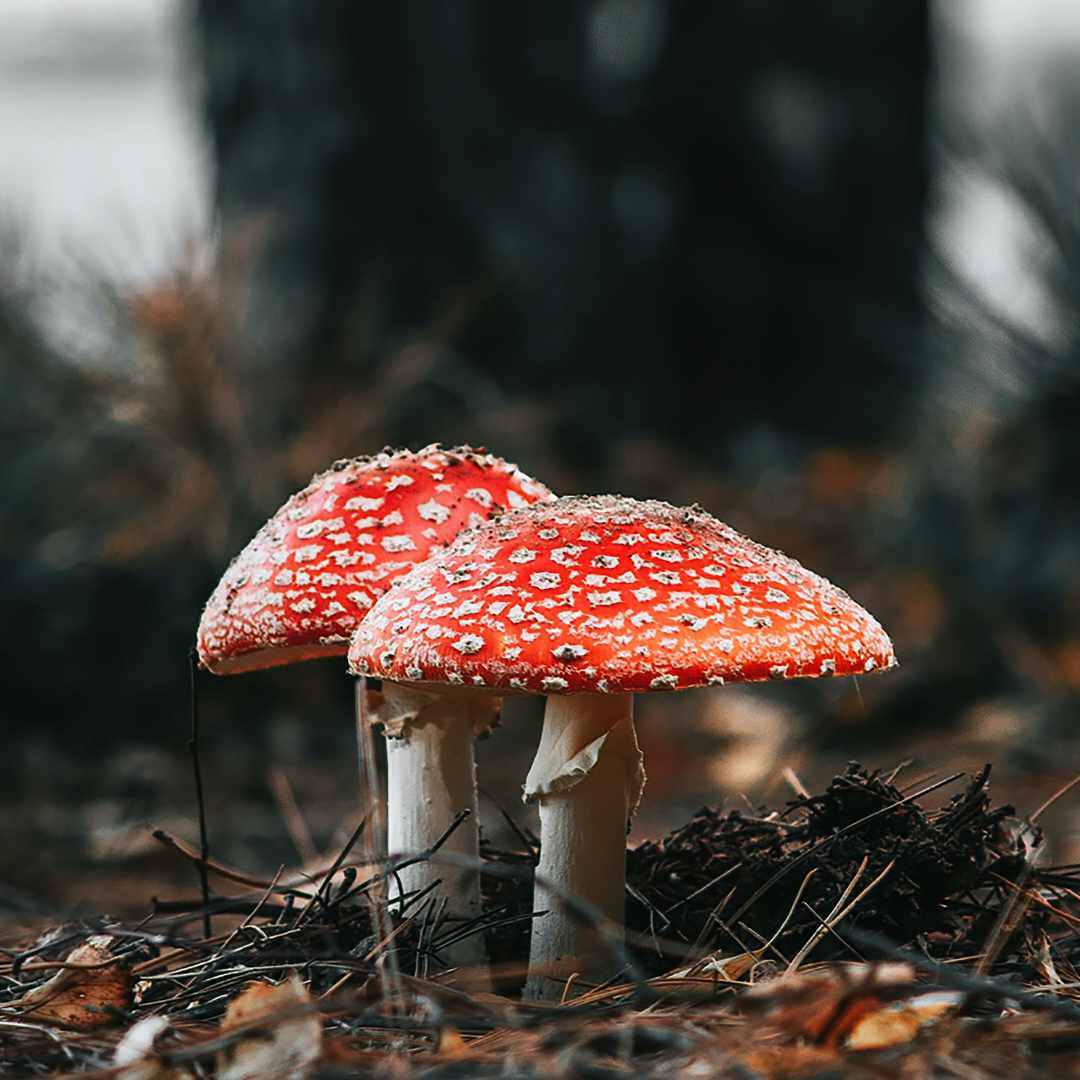
Amanita muscaria, commonly known as the fly agaric mushroom, is one of the most recognizable fungi in the world. Famous for its bright red cap covered in distinctive white spots, this iconic mushroom has become a symbol of forest folklore and natural mystique.
Native to temperate and boreal forests across the Northern Hemisphere, Amanita muscaria forms a symbiotic (mycorrhizal) relationship with trees such as birch, pine, and spruce, helping support healthy forest ecosystems.
Beyond its striking appearance, Amanita muscaria is also known for its psychoactive properties. These effects are primarily due to naturally occurring compounds like ibotenic acid and muscimol. While widely admired for its beauty and cultural significance, it should be approached with caution due to its potent bioactive components.
This fascinating red and white mushroom continues to capture attention worldwide for its unique appearance, ecological importance, and historical use.
What Does Amanita muscaria (Fly Agaric) Look Like?
The Amanita muscaria mushroom, commonly known as the fly agaric, is one of the most distinctive and easily recognisable fungi in the world. Its bold colouring and classic shape make it a standout species in forests across the UK and beyond.
Key Identification Features of Amanita Muscaria
Cap (Top of the Mushroom)
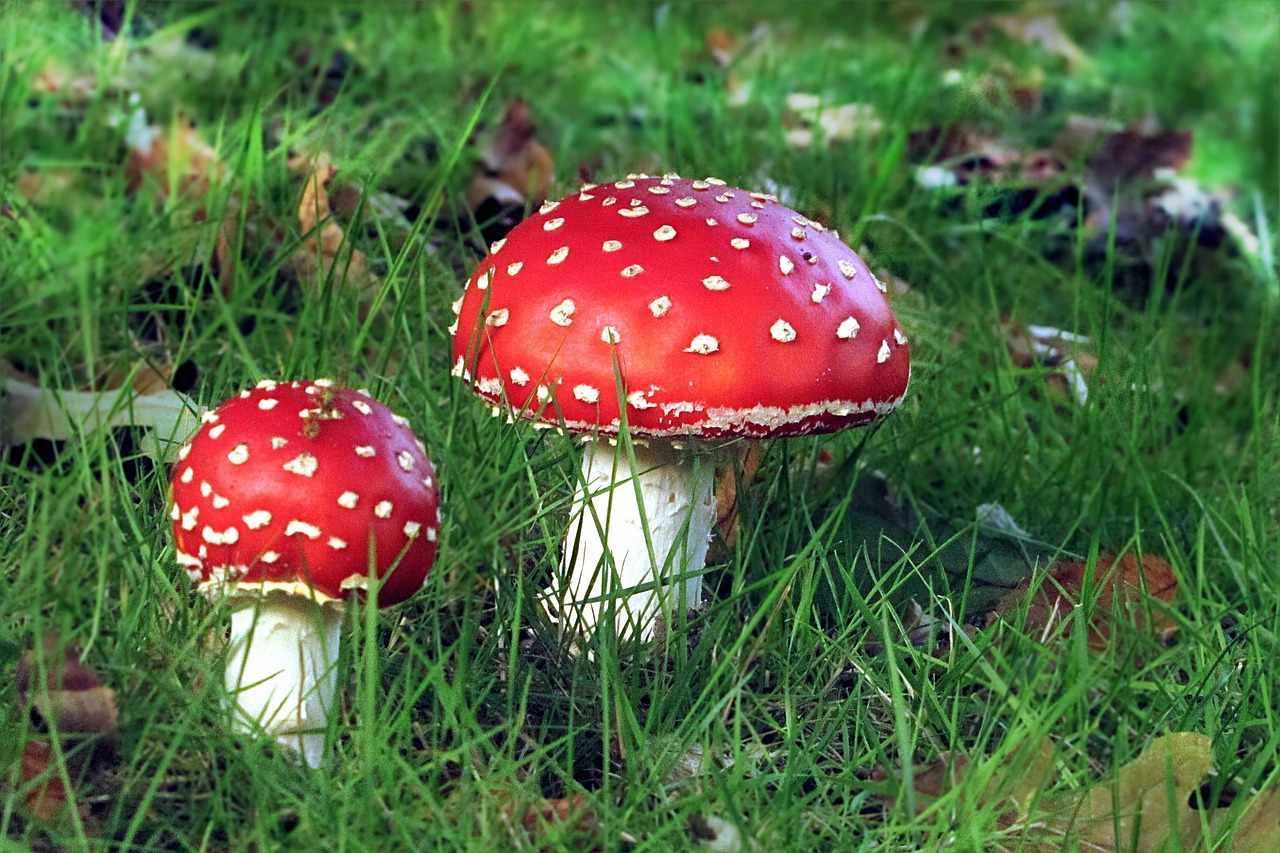
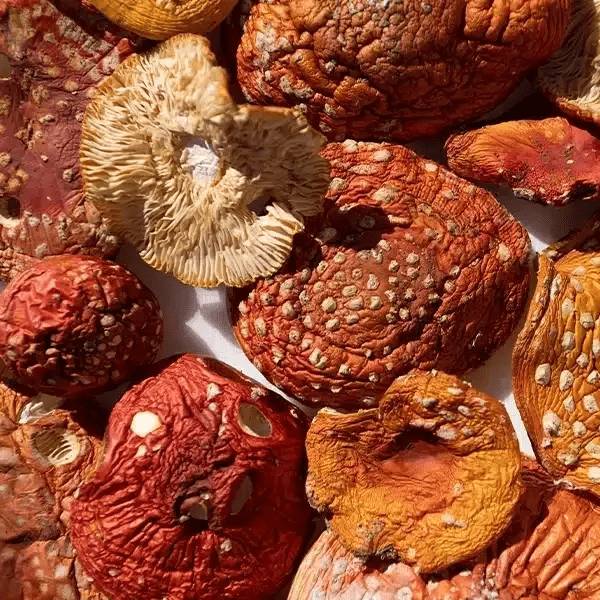
The cap is typically bright scarlet red to deep orange-red, decorated with characteristic white, wart-like spots. These white patches are remnants of the universal veil. The cap can grow up to 20cm across, making mature specimens highly visible on the forest floor.
Gills (Underside of the Cap)
Underneath the cap, Amanita muscaria has closely packed white to cream gills. The gills are free from the stem (not attached), which is an important identification feature.
Stipe (Stem)
The stem is white, firm yet slightly brittle, and can grow up to 30cm tall. At the base, it features a bulbous volva (a cup-like structure) with shaggy rings of scales. A prominent white skirt-like ring (annulus) is usually present higher up on the stem.
Spores
Amanita muscaria produces white, oval spores, visible in a spore print.
Smell
It has a mild, slightly savoury odour, though scent alone should never be relied upon for identification.
Not to Be Confused With
Fly agaric can sometimes be mistaken for Amanita rubescens, commonly known as the blusher. While similar in shape, the blusher typically has a pale reddish-brown cap with cream or pinkish spots and lacks the vivid red colouring associated with Amanita muscaria.
If you are foraging or identifying wild mushrooms, always exercise caution. Correct identification is essential, as many species in the Amanita family can be toxic.
Where Does Amanita Grow?
Where Does Amanita muscaria Grow?
The Amanita muscaria mushroom, also known as fly agaric, grows in specific natural habitats and environmental conditions. If you're searching for Amanita muscaria in the UK or other temperate regions, understanding its preferred ecosystem is key to accurate identification.
Amanita Muscaria Habitat and Growing Conditions
1. Forest Ecosystems
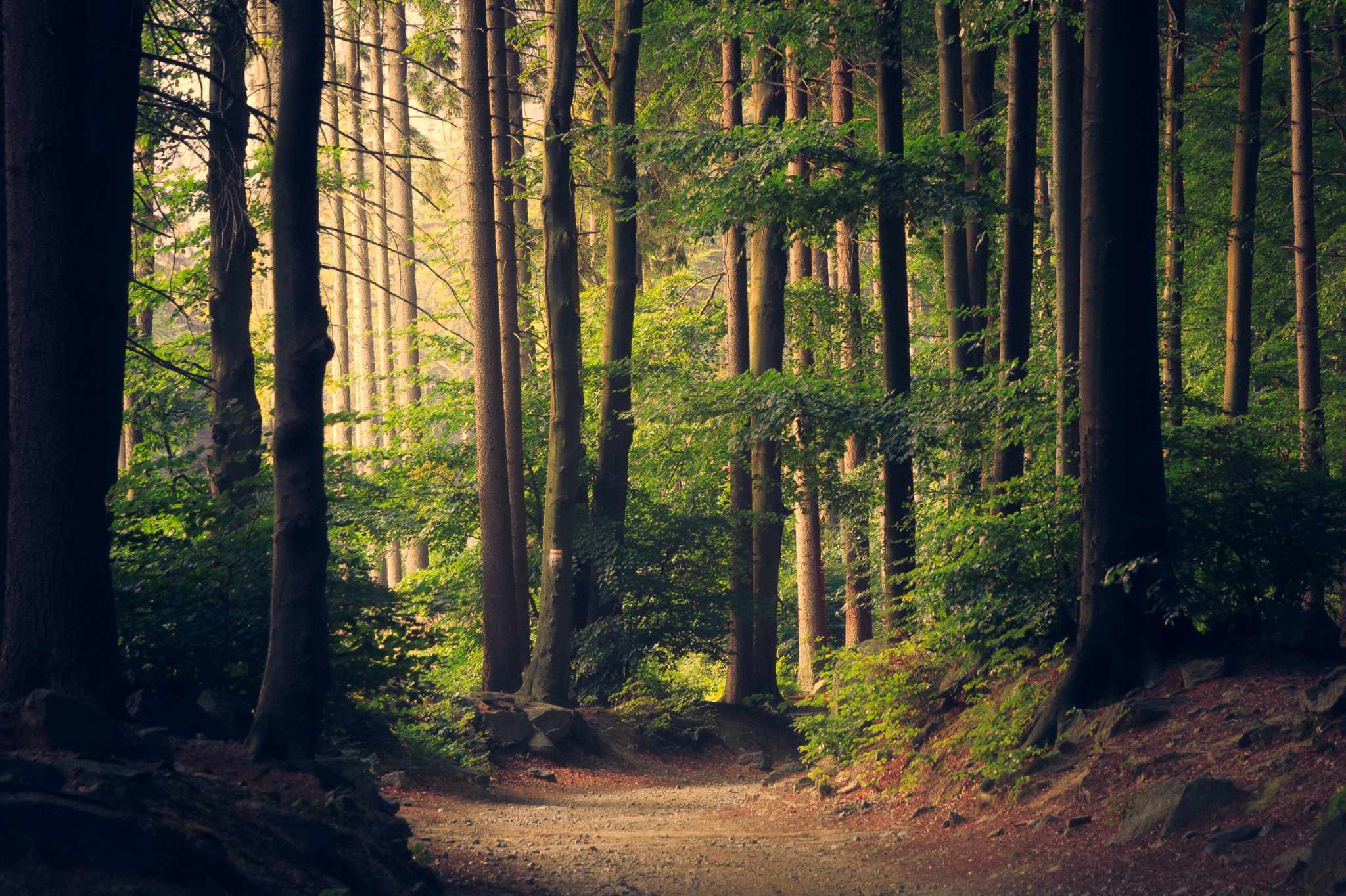
Amanita muscaria is commonly found in both coniferous and deciduous woodlands. It thrives in damp, shaded forest environments where the soil is rich in organic matter.
2. Tree Associations (Mycorrhizal Relationship)
This species forms a symbiotic (mycorrhizal) relationship with tree roots. It is most frequently associated with birch, pine, and spruce trees, often appearing at the base of these trees. Through this relationship, the fungus and tree exchange nutrients in a mutually beneficial partnership.
3. Temperate and Boreal Regions
Fly agaric mushrooms are most abundant in cooler temperate climates across the Northern Hemisphere. In the UK and similar regions, they typically emerge from late summer through autumn.
4. Moisture and Rainfall
Adequate soil moisture is essential for growth. Amanita muscaria often appears after periods of rainfall, especially when warm days are followed by cool nights.
Important Safety Note
Although Amanita muscaria is not usually fatal, it is considered toxic and contains psychoactive compounds. Consuming or improperly handling wild mushrooms can be dangerous. If you are not an experienced forager or mycologist, it is best to avoid harvesting or ingesting wild specimens.
Understanding where Amanita muscaria grows can help with identification, but always prioritise safety when exploring wild fungi.

AMANITA MUSCARIA MYTHOLOGY AND SYMBOLISM
The Amanita muscaria, commonly known as the fly agaric mushroom, is one of the most iconic and widely recognised fungi in the world. Its bright red cap with white spots appears in abundance during autumn, adding vibrant colour to woodland landscapes across the UK and Europe.
Historical Use as an Insecticide
The name “fly agaric” originates from its traditional use as a natural insecticide. Pieces of the mushroom were historically placed in bowls of milk to attract flies. The insects, drawn by the scent, would consume the mixture, become intoxicated, and die. This practice gave rise to the mushroom’s enduring common name.
Poisonous Reputation and Cultural Caution
Although Amanita muscaria is toxic, fatal incidents are rare. Its strong reputation as a poisonous mushroom has led many people to admire it purely for its striking appearance rather than consider any practical use. Some researchers suggest that northern Europeans historically developed a cultural wariness toward mushrooms due to long-standing taboos surrounding species with psychoactive properties.
Ancient Shamanic and Religious Use
Fly agaric has long been associated with shamanic and spiritual traditions. It is believed to have been one of the earliest sources of entheogens—naturally occurring psychoactive substances used in religious or ceremonial contexts—possibly dating back over 10,000 years.
In ancient societies, mushrooms with mind-altering properties were often reserved for shamans or priests, who acted as intermediaries between their communities and the spiritual realm. The careful preparation of fly agaric was considered essential to minimise adverse effects. Methods included drying, brewing into drinks, smoking, or creating ointments. Ritual purification practices, such as fasting and meditation, were sometimes undertaken before ceremonial use.
Among the Koryak people of northeastern Siberia, shamans were said to consume the mushroom during ceremonies. Others would reportedly drink the shaman’s urine to experience its psychoactive effects, as the active compounds—ibotenic acid and muscimol—can pass through the body largely unmetabolised. While unusual by modern standards, this practice reflected a deep cultural understanding of the mushroom’s properties.
Fly Agaric and Norse & Vedic Connections
Fly agaric has also been proposed as a possible candidate for the mysterious Soma described in ancient Vedic texts. The Rigveda, written between approximately 1500–500 BC, references Soma as both a sacred plant and a divine entity associated with ritualistic worship. Although the exact identity of Soma remains debated, some scholars argue that Amanita muscaria aligns with several of its described characteristics.
There are also theories suggesting that Viking Berserker warriors may have consumed fly agaric before battle. The mushroom’s psychoactive compounds—ibotenic acid and muscimol—can alter perception and potentially reduce fear responses. While this theory remains debated, it contributes to the mushroom’s enduring place in folklore.
Reindeer, Folklore and the Origins of Santa Claus
In northern Europe and Siberia, reindeer have been observed consuming fly agaric mushrooms, sometimes displaying intoxicated behaviour. Indigenous communities noted this and, according to some accounts, would consume reindeer meat to experience similar effects.
Fly agaric has also become strongly associated with midwinter festivals and Christmas imagery throughout central and northern Europe. Its red and white colouring frequently appears on festive decorations and greeting cards. Some modern interpretations suggest that Siberian shamanic traditions—where shamans entered yurts through smoke holes carrying bags of dried mushrooms—may have influenced aspects of the Santa Claus legend.
The modern image of Santa Claus—dressed in red and white, travelling with reindeer, descending through chimneys, and residing in the far north—shares intriguing symbolic parallels with fly agaric folklore. While these connections remain speculative, they demonstrate how deeply this remarkable mushroom is woven into European myth, spirituality, and seasonal tradition.
Today, Amanita muscaria continues to captivate foragers, historians, and nature enthusiasts alike. Whether appreciated for its ecological role, cultural history, or unmistakable appearance, the fly agaric remains one of the most fascinating mushrooms in the natural world.
.
What is Ibotenic acid and muscimol?
*Ibotenic Acid*
-
Active Compounds in Amanita muscaria: Ibotenic Acid and Muscimol
The psychoactive properties of Amanita muscaria (fly agaric) are primarily due to two naturally occurring compounds: ibotenic acid and muscimol. Understanding their chemical composition, effects, and safety considerations is essential when discussing this iconic mushroom.
Ibotenic Acid
Chemical Composition
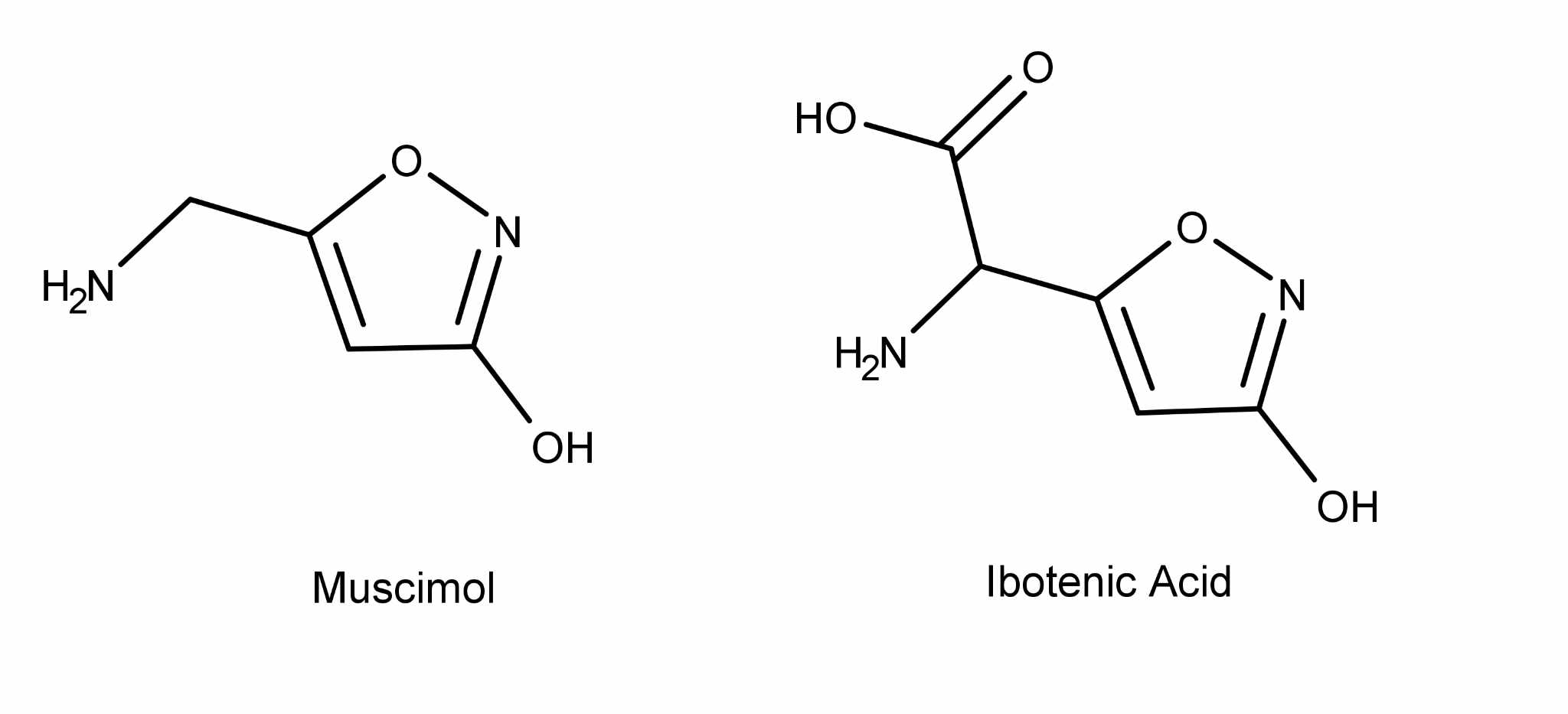
Ibotenic acid is a naturally occurring compound classified within the isoxazole family. It is one of the primary bioactive constituents found in Amanita muscaria and related species in the Amanita genus.
Natural Source
This compound occurs naturally in Amanita mushrooms, particularly in the caps of mature specimens. Levels can vary depending on environmental conditions, age of the mushroom, and preparation methods.
Prodrug Conversion
Ibotenic acid is considered a prodrug, meaning it converts into another compound once inside the body. Through a process called decarboxylation, ibotenic acid transforms into muscimol, which is largely responsible for the mushroom’s psychoactive effects.
Psychoactive Properties
On its own, ibotenic acid has limited psychoactive action. However, after conversion to muscimol, it contributes to the altered perception and hallucinogenic experiences associated with Amanita muscaria.
Toxicity and Risks
Ibotenic acid can be toxic, particularly in higher quantities. Symptoms of overconsumption may include nausea, confusion, agitation, and other adverse reactions. Proper identification and understanding of preparation methods are critical, as raw or improperly prepared mushrooms may increase the risk of unwanted side effects.
Muscimol
Chemical Composition
Muscimol is a psychoactive compound derived from ibotenic acid. It acts as a GABA-A receptor agonist, meaning it interacts directly with gamma-aminobutyric acid (GABA) receptors in the brain.
Psychoactive Effects
Muscimol is the primary compound responsible for the psychoactive and hallucinogenic effects of Amanita muscaria. Reported effects may include:
Altered perception of time and space
Vivid dreams or hallucinations
Changes in mood and consciousness
Sedative or dissociative sensations
Mode of Action
By stimulating GABA-A receptors in the central nervous system, muscimol can produce calming, sedative, and sometimes dissociative effects. Its mechanism of action differs significantly from other well-known psychoactive compounds, such as psilocybin.
Duration of Effects
The onset and duration of muscimol’s effects vary depending on dosage, preparation method, metabolism, and individual sensitivity. Effects typically last several hours, though experiences can differ widely.
Safety Considerations
Amanita muscaria and its active compounds are associated with unpredictable effects. Responses vary from person to person, and adverse reactions are possible. Symptoms of excessive intake may include disorientation, vomiting, muscle twitching, or prolonged sedation.
Important Disclaimer
While Amanita muscaria has a long history of traditional and cultural use, it is classified as toxic. Consumption carries risks and should never be undertaken without proper knowledge and extreme caution. If exposure or accidental ingestion occurs, seeking professional medical advice is strongly recommended.
Understanding ibotenic acid and muscimol helps explain the unique pharmacology of the fly agaric mushroom, but safety should always remain the top priority.
HOW TO STORE AMANITA MUSCARIA?
.
How to Store Amanita muscaria Safely
Proper storage of Amanita muscaria (fly agaric) is essential, particularly because this mushroom is classified as toxic. Wild mushroom handling should only be undertaken by experienced individuals who can accurately identify the species. Storage is generally recommended for scientific, research, decorative, or educational purposes only, not for consumption.
Below are best practices for safely storing Amanita muscaria specimens.
1. Drying Amanita Muscaria (Most Effective Preservation Method)
Drying is the most common and reliable way to preserve fly agaric mushrooms and prevent spoilage.
How to dry Amanita muscaria properly:
Clean the mushrooms gently to remove dirt and debris.
Lay them on a clean, well-ventilated surface.
Use a food dehydrator or a low-temperature oven set to approximately 50°C (120°F) to speed up the process.
Allow the mushrooms to dry completely until they are crisp and contain no residual moisture. Depending on size and thickness, this may take several days.
Once fully dried:
Store in an airtight container.
Keep in a cool, dark, and dry location.
Vacuum-sealed bags or silica gel packs can help prevent moisture exposure and extend shelf life.
Proper drying helps reduce degradation and preserves the mushroom’s structure for long-term storage.
2. Clear Labelling
Accurate labelling is essential when storing any wild mushroom.
Include:
Species name (Amanita muscaria)
Date of collection
Location of collection
Any relevant environmental notes
This is particularly important for educational or research collections.
3. Safe Handling Practices
Although casual skin contact is not typically dangerous, it is best practice to:
Wear gloves when handling wild mushrooms
Avoid touching your face while handling specimens
Wash hands thoroughly afterwards
Cross-contamination with edible species should always be avoided.
4. Record Keeping for Identification
If collecting Amanita muscaria for study or documentation, keep detailed notes including:
Habitat type (e.g., birch, pine, or spruce woodland)
Soil conditions
Weather patterns prior to collection
Photographs of the mushroom in situ
Accurate documentation supports correct identification and reduces the risk of confusion with other Amanita species.
Important Safety Reminder
Amanita muscaria contains bioactive compounds and is considered toxic. Storage does not make the mushroom safe for consumption. If accidental ingestion occurs, seek professional medical advice immediately.
When in doubt, consult a qualified mycologist before handling or preserving wild fungi.
*Disclaimer:*
Our Amanita products are, strictly not for human consumption. It is intended for purposes other than ingestion and should never be used as a food, dietary supplement, medication, or any form of human consumption. Please read and understand the following important points:
1. *Product Intended Use:*
This product is designed, manufactured, and sold solely for purposes other than consumption by humans. It may have various applications, such as research, decoration, educational purposes, or other non-ingestible uses.
2. *Safety Considerations:*
Ingesting, inhaling, or using this product in any way that involves human consumption can pose serious health risks, including but not limited to poisoning, allergic reactions, adverse side effects, or other harmful consequences.
3. *Legal Compliance:*
The use of this product must comply with all applicable local, state, and federal laws and regulations. It is the responsibility of the user to ensure they are aware of and adhere to all legal restrictions related to the use and possession of this product.
4. *Educational and Informational Resources:*
If you are seeking information or materials for human consumption, consult appropriate professionals or sources qualified to provide guidance and advice regarding such matters. Do not use this product as a substitute for appropriate resources.
5. *Liability Release:*
By purchasing, possessing, or using this product, you acknowledge and accept that the manufacturer, seller, and distributors are not liable for any misuse, harm, or consequences resulting from improper use or consumption of this product.
6. *Keep Out of Reach of Children and Pets:*
Store this product in a secure and inaccessible location to prevent accidental ingestion or exposure to children, pets, or any unintended individuals. In summary, it is of utmost importance to recognize that this product is not intended for human consumption in any form. Any use other than its intended purpose is strongly discouraged and may result in serious health risks and legal consequences. Please exercise caution, responsibility, and compliance with all applicable laws and regulations when dealing with this product.
